Coalition Negotiations Continue - But Brief Discontent at FPÖ

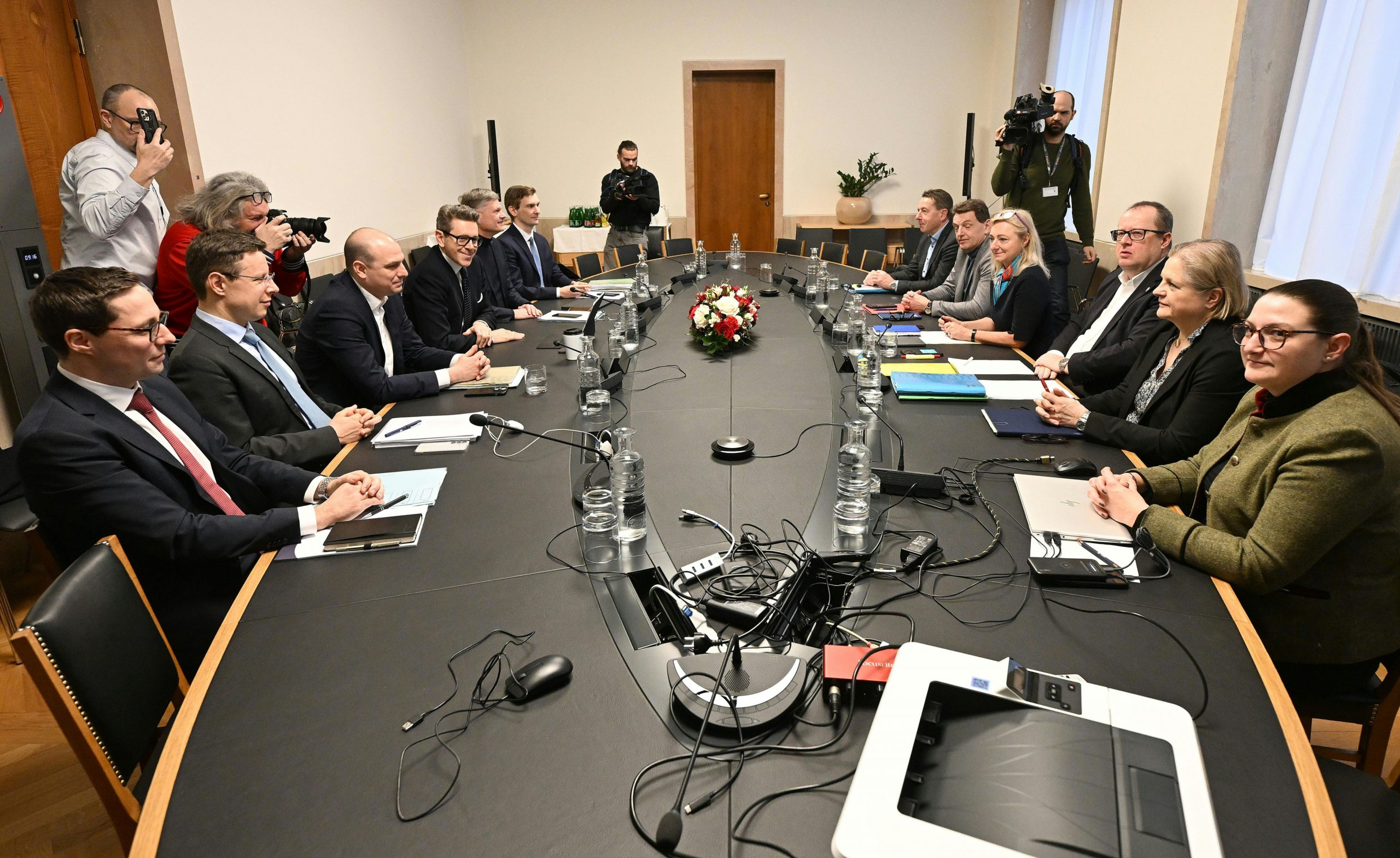
However, there was a slight hitch at the start: The FPÖ withdrew for internal consultations shortly after the start of the "Media" subgroup due to disagreements, as FPÖ Secretary General Christian Hafenecker told APA in parliament. The talks then continued.
The FPÖ is annoyed that Kurt Egger, media spokesman for the ÖVP, had invited the media associations to a "personal conversation" on Thursday, this probably not coincidentally directly after the end of the first round of negotiations, as it was said from the FPÖ. Egger had already stated on Monday that in view of the "current challenges for the Austrian media landscape", the ÖVP reaffirms its support for democracy and media freedom. He referred to a letter from the media associations in which the domestic private media associations emphasized on Monday that press and communication freedom is a "constitutionally guaranteed basic right".
"Doorstep" in Parliament
Before the start of negotiations on Thursday, Hafenecker and Chamber of Commerce President Harald Mahrer (ÖVP) held a "doorstep" in front of journalists in the "Plenary Lounge" in parliament, where the substantive concerns of the negotiating partners were reaffirmed. Scheduled for Thursday were talks between Hafenecker and ÖVP Minister Susanne Raab on the areas of culture and media - with media leading the way. FPÖ man Hubert Fuchs and Mahrer are addressing the topic of finance and taxes. Economy and national defense are also on the agenda.
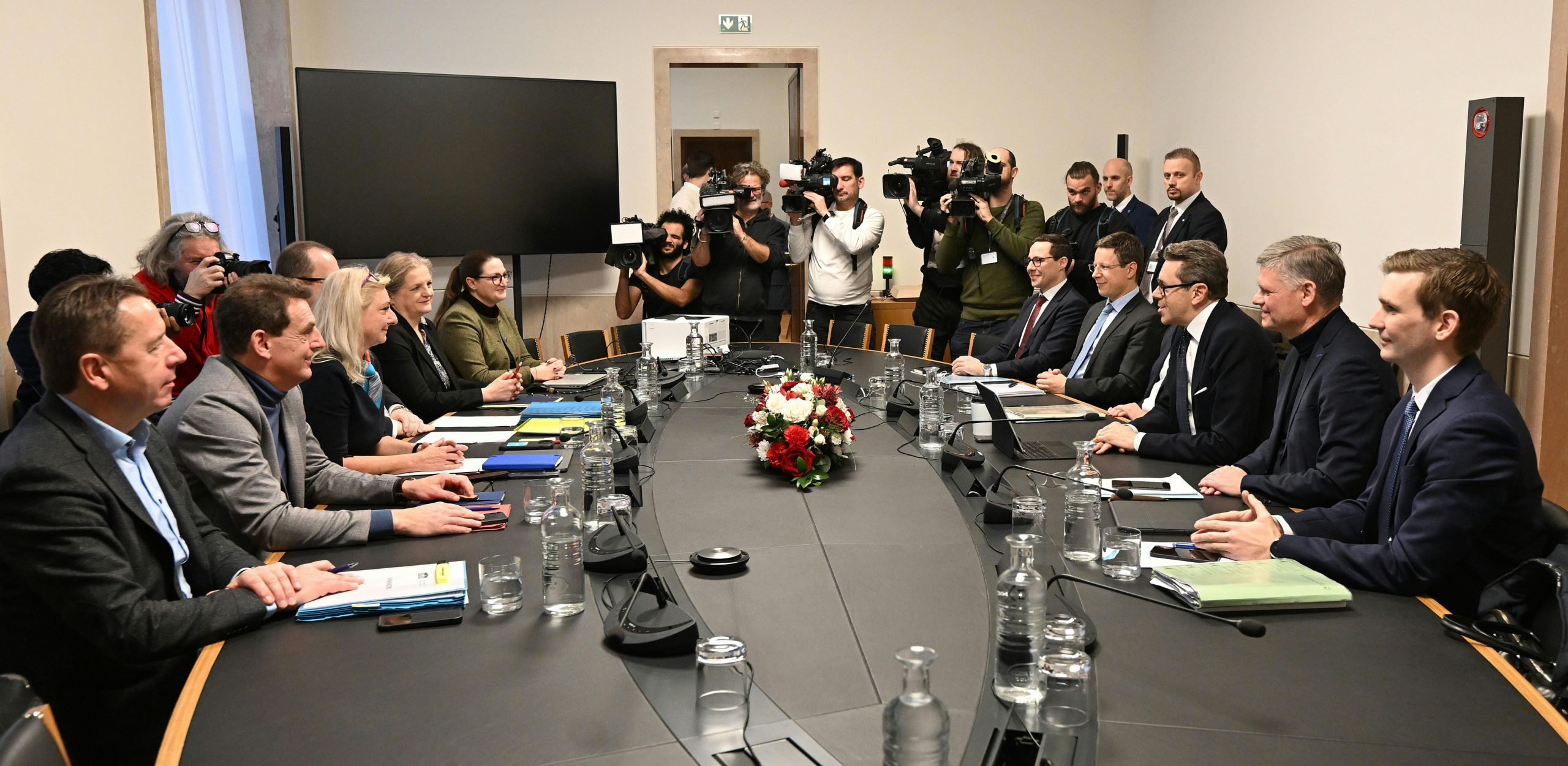
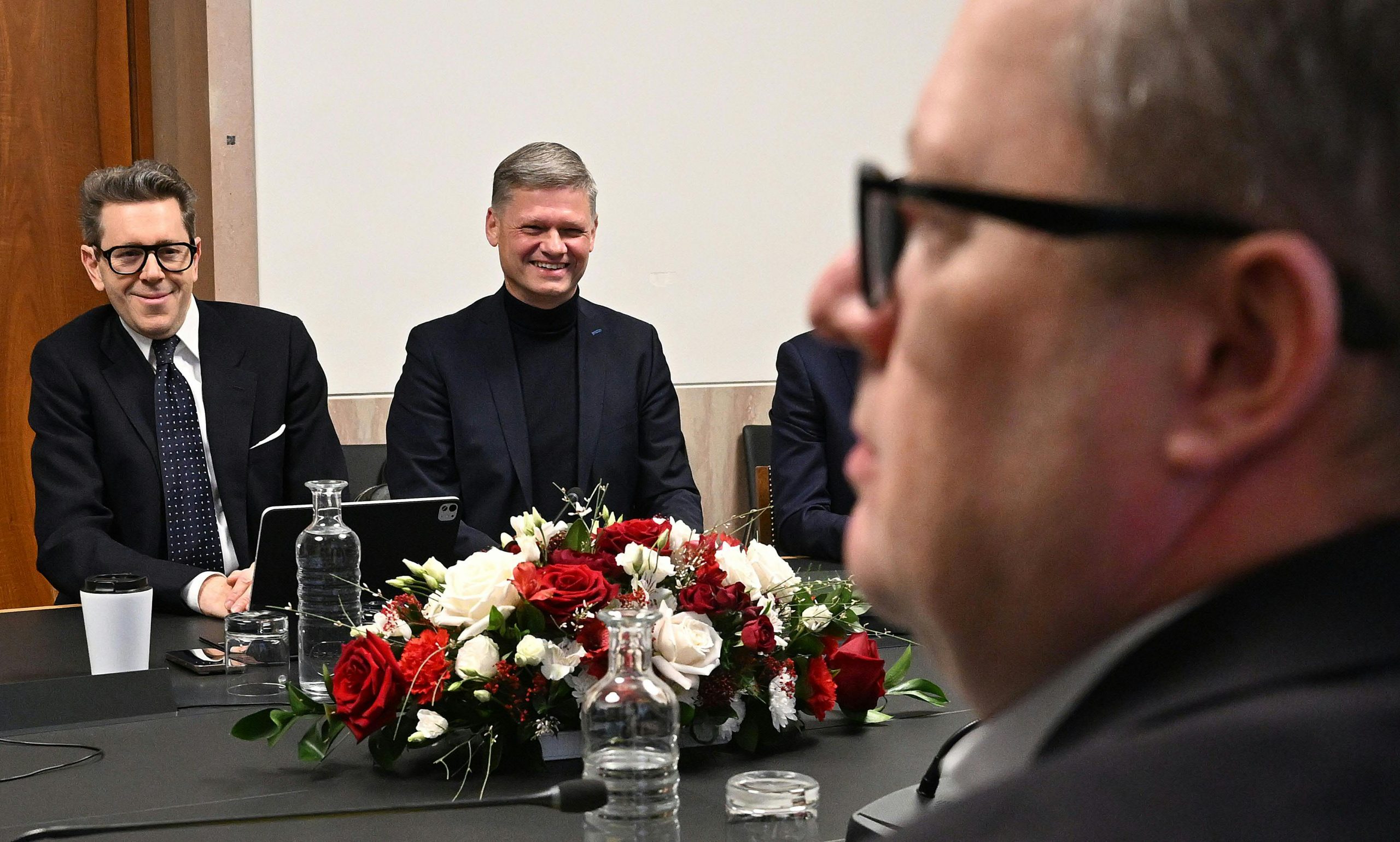
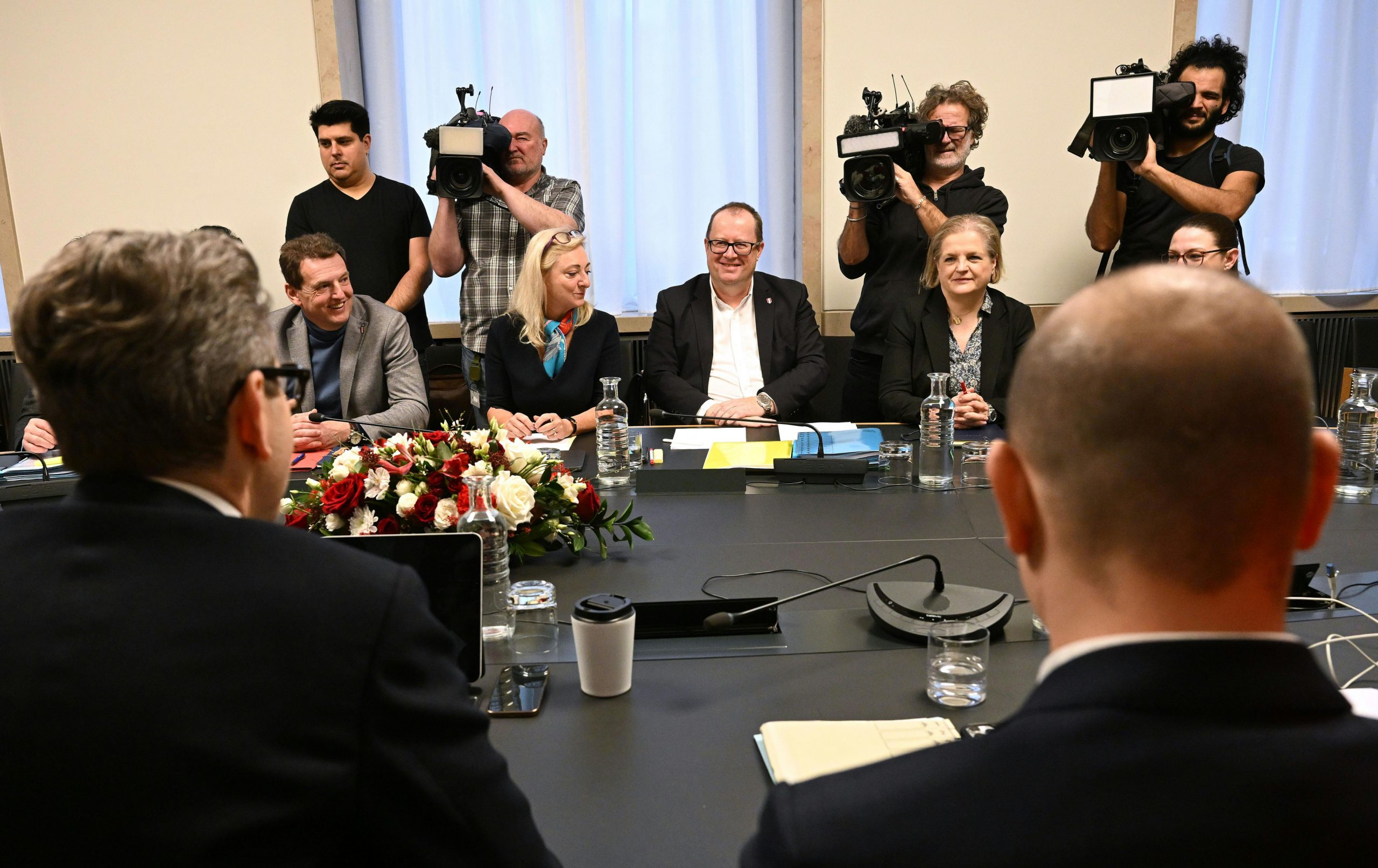
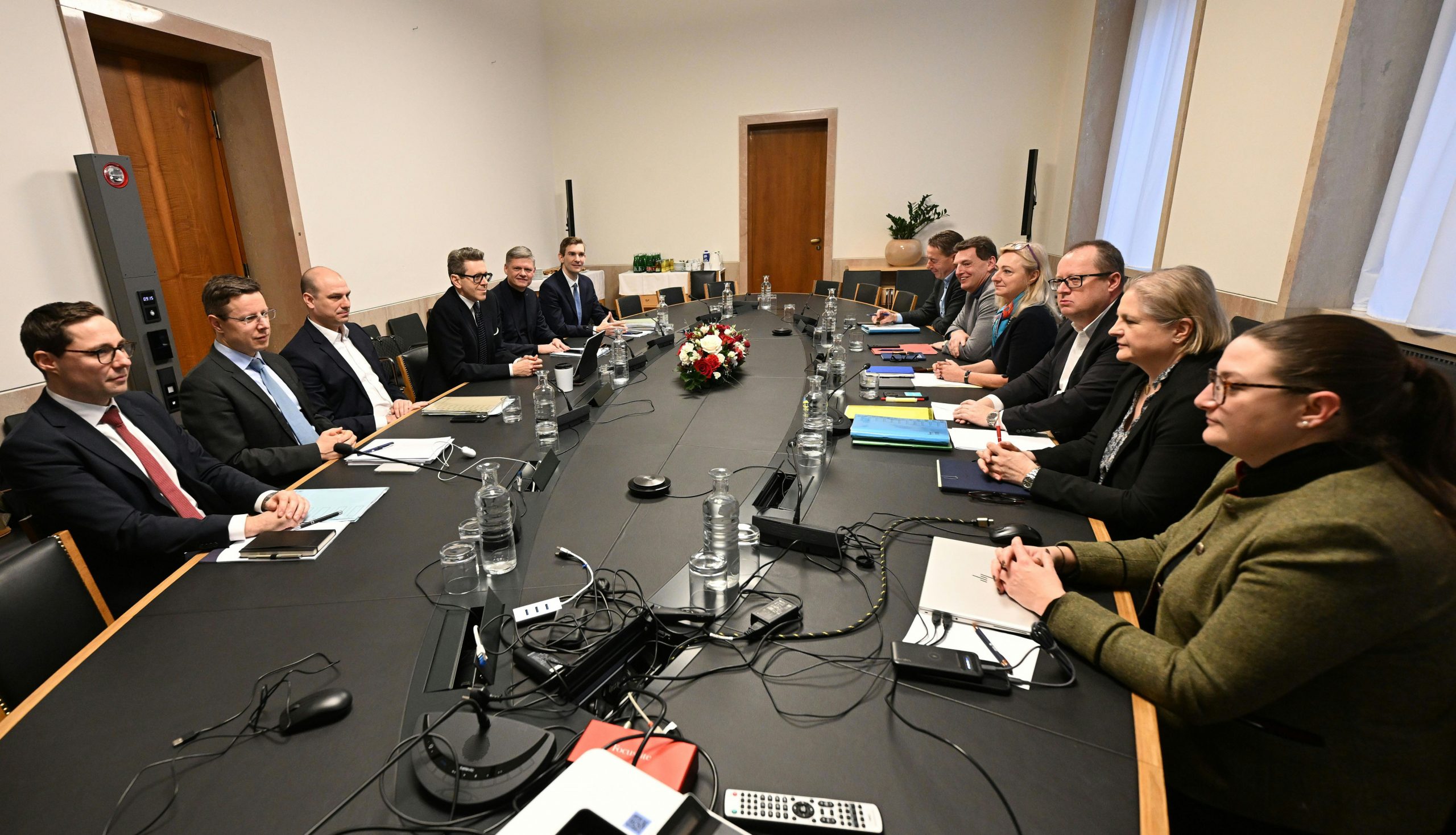
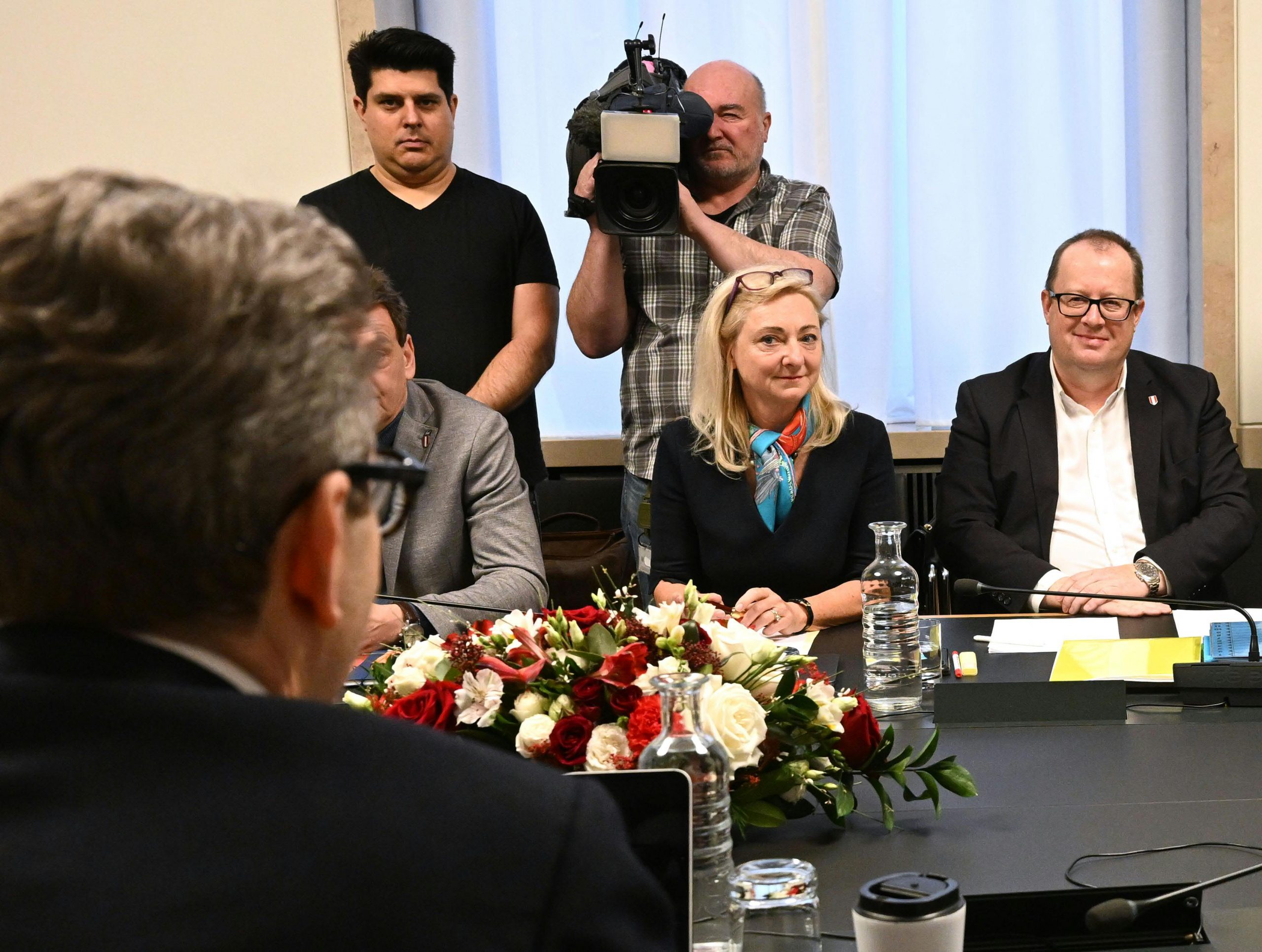
Regarding the media topic, Hafenecker said he wanted to make it clear that the FPÖ stands for "media plurality", "even if you don't believe us". He also referred to a letter from FPÖ leader Herbert Kickl to the editors-in-chief and publishers, in which he had stated that he was seeking an "open dialogue" with the media.
Of course, it will be "necessary to repair the media funding" and to "adapt" it to the state of technical conditions. When asked, Hafenecker pointed out that it is simply the case that there are more and more online media - "whether they are right-wing conservative media or others". "This should also be taken into account." It is clear that a media funding system has been "cobbled together" where the established media have settled, Hafenecker said about the current situation.
FPÖ Against ORF Household Fee
Regarding the ORF, Hafenecker once again insisted on the FPÖ's demand for the abolition of the ORF household fee. This was one of the central election motives of the FPÖ electorate, he emphasized. "Public broadcasting must be financed from the budget," he stressed. There had already been a corresponding "commitment" in the 2017 negotiations between the then turquoise-blue government - "we will take corresponding proposals into the negotiations".
Hafenecker tried to dismiss concerns that this would mean greater political interference: The accusation that "one wants to put the ORF on a political leash always misses the mark". There needs to be secure financing - he could imagine a solution via the budget that goes beyond the legislative period, "so that the ORF does not have to renegotiate the budget after every election".
Another central point of the FPÖ is the "processing" of the Corona measures they demand. Hafenecker confirmed when asked if he had a model in mind similar to Lower Austria.
Mahrer said the goal was to relieve citizens and entrepreneurs, and to focus on the de-bureaucratization of the tax system. Incentives must be created so that more work is worthwhile, he referred to his proposal of a "performance flat tax": The WKÖ president had ventilated this idea of a flat tax of 20 percent, which should also apply to additional earnings in retirement. "Overtime would also fall into this system," Mahrer said on Thursday.
NEOS Criticise
Criticism came from the NEOS, for whom a flat tax for pensioners is not enough. Relief for performance must "apply to everyone who works and achieves something, regardless of age or employment contract," said the deputy club chairman Nikolaus Scherak.
In terms of the budget, both negotiators referred to the basic decision already made, which is expected to save around 6.4 billion euros by 2025 - and that without new taxes, which should enable the deficit to be reduced to less than three percent of GDP. The task now is to work out the budget path for seven years, said Mahrer, who was optimistic.
Coalition Negotiations: Subgroups Since Monday
The first round of thematic discussions should conclude on Friday. Education, pensions and health as well as foreign and European politics will be discussed. It is very likely that the subgroups will need several more discussions and then the steering groups of the FPÖ and ÖVP with the party leaders Herbert Kickl and Christian Stocker will take their turn. There is no fixed timeframe for the formation of a possible government.
Negotiations in the subgroups had already begun on Monday of this week. The first few days discussed areas such as infrastructure and transport, internal security, agriculture, climate and family. Possible agreements and compromises have not yet become public. "Hot issues", such as the topic of Sky Shield and EU politics, could only be dealt with by the party leaders, according to reports.
(APA/Red)
This article has been automatically translated, read the original article here.
Du hast einen Hinweis für uns? Oder einen Insider-Tipp, was bei dir in der Gegend gerade passiert? Dann melde dich bei uns, damit wir darüber berichten können.
Wir gehen allen Hinweisen nach, die wir erhalten. Und damit wir schon einen Vorgeschmack und einen guten Überblick bekommen, freuen wir uns über Fotos, Videos oder Texte. Einfach das Formular unten ausfüllen und schon landet dein Tipp bei uns in der Redaktion.
Alternativ kannst du uns direkt über WhatsApp kontaktieren: Zum WhatsApp Chat
Herzlichen Dank für deine Zusendung.