Back to the Countryside? Why the Suburbs Around Vienna Are Booming Again

More and more people are moving out of the city in search of more space, more tranquility, and often more affordable housing. The so-called commuter belt around Vienna is experiencing a new peak phase as a result – with rising population numbers, new construction projects, and growing interest in single-family homes and row houses in green areas.
Commuter Belt Benefits from High Property Prices in Vienna
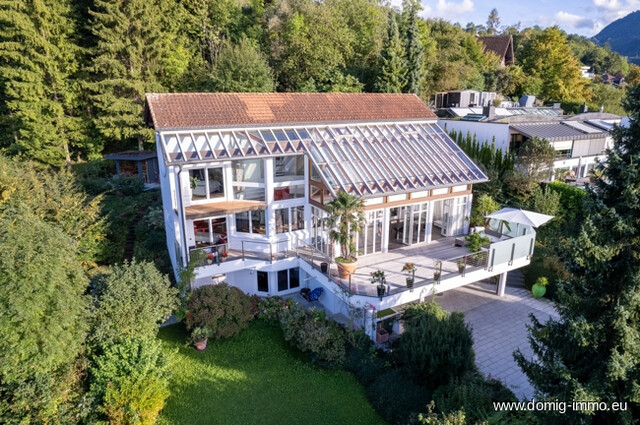
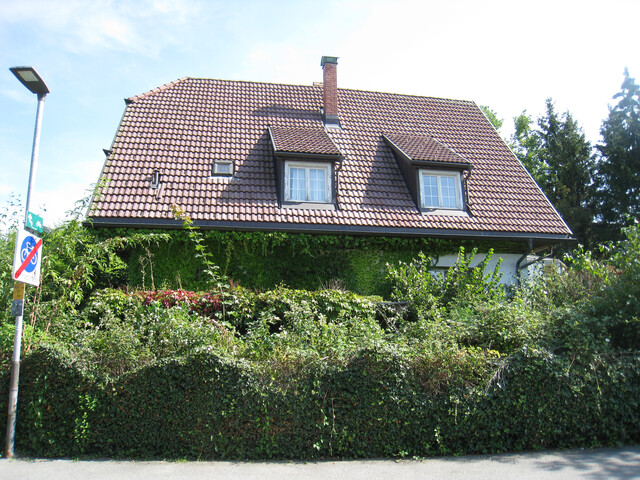
With growth, property prices in Vienna are also rising. Especially in recent years, prices in the federal capital have increased significantly, particularly for condominiums or larger rental apartments. Many young families, but also couples and professionals with middle incomes, can no longer afford or do not want to afford city life in a central location. The commuter belt around Vienna offers an alternative: more space for the money, often a house with a garden, and all within easy reach of the city. Popular relocation regions include places like Mödling, Klosterneuburg, Korneuburg, Baden, or Tulln. But smaller communities in the commuter belt around Vienna along the railway lines to the south, west, or northeast are also experiencing a strong influx. In many regions, new development areas, row house projects, and infrastructure measures are more visible than ever.
Home Office and Quality of Life Make Commuter Belt Around Vienna Boom
One reason for the boom in the commuter belt around Vienna is the increasing flexibility in working. Home office, once an exception, is now everyday life, and has shifted the priorities of many people. Those who no longer have to commute to the office daily are also willing to accept longer distances to the city. Daily commuting is no longer a must, and thus places 30 to 60 minutes away are coming into the focus of apartment seekers. Another argument for moving to the commuter belt around Vienna: the quality of life. Green spaces, tranquility, more room for children and leisure – all of this is often better offered by smaller places than the big city. Many communities in the commuter belt around Vienna are therefore specifically investing in their infrastructure: new kindergartens and schools are being built, local suppliers are settling, and bus and train connections are being improved. Particularly attractive is the combination of a rural environment and good connections to Vienna. Those who can be at Vienna's main train station within 20 to 40 minutes by express train or train combine the best of both worlds.
Challenges Due to Boom of Commuter Belt Around Vienna
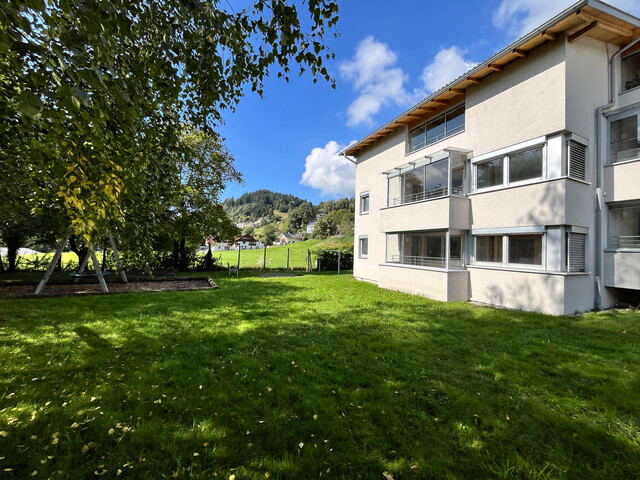
But the boom also has downsides. The increasing demand is also causing property prices in the commuter belt around Vienna to rise significantly. Building land is becoming scarce and expensive, new residential areas are often developed quickly and with high land consumption. This brings ecological problems: urban sprawl, soil sealing, increasing individual traffic. At the same time, local infrastructures in the commuter belt around Vienna are under pressure. Schools and kindergartens are reaching capacity limits, and traffic congestion is noticeably increasing in some communities. The need for vibrant town centers and local supply is not equally met everywhere, and not every new development automatically brings a grown community life with it. Despite all the challenges, it is clear: the commuter belt around Vienna is in demand like never before. Those who build or buy there are not just choosing a property, but a lifestyle, between urban proximity and rural idyll. The question "Back to the countryside?" is no longer asked nostalgically, but quite pragmatically: those who live in the commuter belt around Vienna today reside in one of Austria's most dynamic living spaces.
(Red)
This article has been automatically translated, read the original article here.
Du hast einen Hinweis für uns? Oder einen Insider-Tipp, was bei dir in der Gegend gerade passiert? Dann melde dich bei uns, damit wir darüber berichten können.
Wir gehen allen Hinweisen nach, die wir erhalten. Und damit wir schon einen Vorgeschmack und einen guten Überblick bekommen, freuen wir uns über Fotos, Videos oder Texte. Einfach das Formular unten ausfüllen und schon landet dein Tipp bei uns in der Redaktion.
Alternativ kannst du uns direkt über WhatsApp kontaktieren: Zum WhatsApp Chat
Herzlichen Dank für deine Zusendung.