Analysis Shows: Wealth is So Unequally Distributed in Austria

Net wealth in Austria remains unevenly distributed. The top 10 percent of households held slightly more than 50 percent of total net wealth in 2023, while the bottom 50 percent accounted for only about 4 percent, according to a recent National Bank analysis. However, the data shows that the gap between the wealthy and the less wealthy in this country has not widened further over the past ten years.
Wealth Distribution in Austria Stable – But Unequal
A direct comparison with other countries is also difficult due to institutional differences, warn the study authors. Austria has good social networks and a functioning public pension system, which cushion the disadvantages of lower wealth accumulation for less wealthy groups, emphasized OeNB Governor Martin Kocher on Thursday at a press conference presenting the study.
The OeNB study "Household Finance and Consumption Survey (HFCS 2023)" is the fifth wave of a survey with which the National Bank has been collecting data on the wealth of private households since 2010. It shows their living situation and highlights differences between them. In this year's evaluation, the National Bank economists linked the survey with additional economic data to also make statements about recent developments.
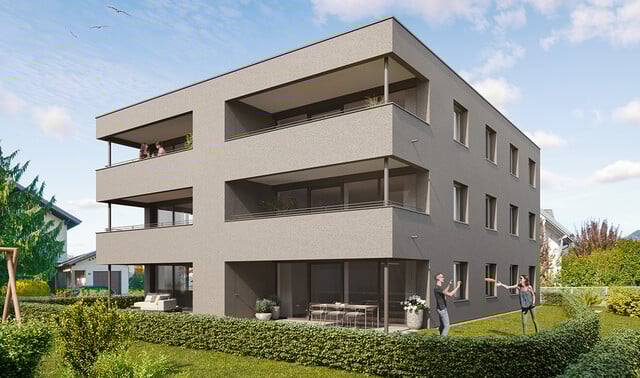
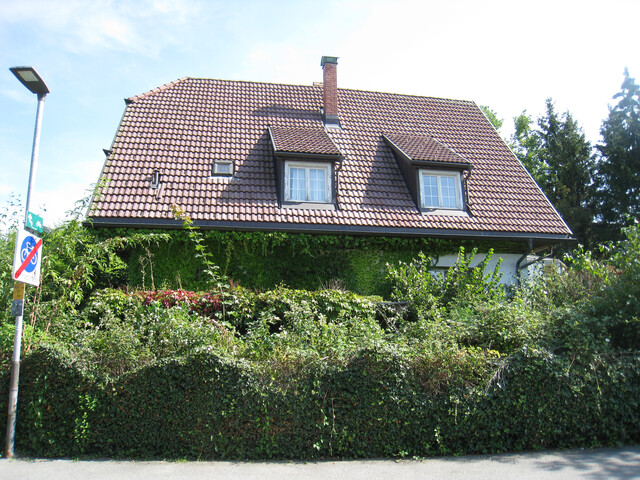
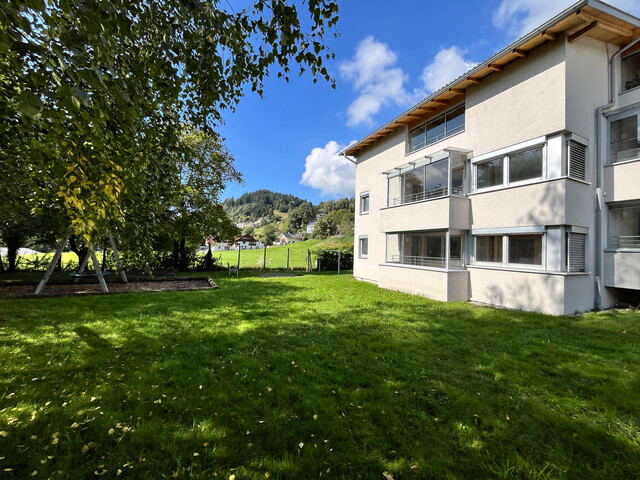
Every Second Person Lives in Owned Property
As the study shows, around half of Austrians live in their own homes, and 80 percent of households also own a car. Financial assets are present in almost all households, mostly in the form of checking and savings accounts. Differences are evident between genders: "Women not only have less labor income, which has been sufficiently documented, but they also have less wealth," noted National Bank economist Martin Schürz.
A third of households have to cope with debt. These mostly consist of mortgage loans, which are almost always secured by the primary residence. Unsecured loans are significantly smaller in volume. Overall, it is evident that household debt is relatively low compared to other countries in the Eurozone.
Financial assets at an all-time high
The savings rate is known to be high in this country. In 2024, households invested more of their available assets than ever before. Of the available funds not spent on consumption, which amount to around 34 billion euros, a full 79 percent went into financial investments, according to the central bankers. By mid-2025, the total financial assets of the Austrian household sector amounted to 936.7 billion euros. The largest share of this was deposits (36 percent), followed by shares in limited liability companies, private foundations, and similar (24 percent), as well as securities (21 percent).
Cryptocurrencies still less widespread
For the first time, the National Bank also had data on the distribution of cryptocurrencies. In 2023, these were not yet really widespread in Austria, as only 3.9 percent of all households invested in assets of this category. The median investment value was 3,000 euros, which is usually less than 20 percent of financial assets. A good portion of those investing in crypto are young men who are not afraid of risk, according to the study authors.
(APA/Red)
This article has been automatically translated, read the original article here.
Du hast einen Hinweis für uns? Oder einen Insider-Tipp, was bei dir in der Gegend gerade passiert? Dann melde dich bei uns, damit wir darüber berichten können.
Wir gehen allen Hinweisen nach, die wir erhalten. Und damit wir schon einen Vorgeschmack und einen guten Überblick bekommen, freuen wir uns über Fotos, Videos oder Texte. Einfach das Formular unten ausfüllen und schon landet dein Tipp bei uns in der Redaktion.
Alternativ kannst du uns direkt über WhatsApp kontaktieren: Zum WhatsApp Chat
Herzlichen Dank für deine Zusendung.