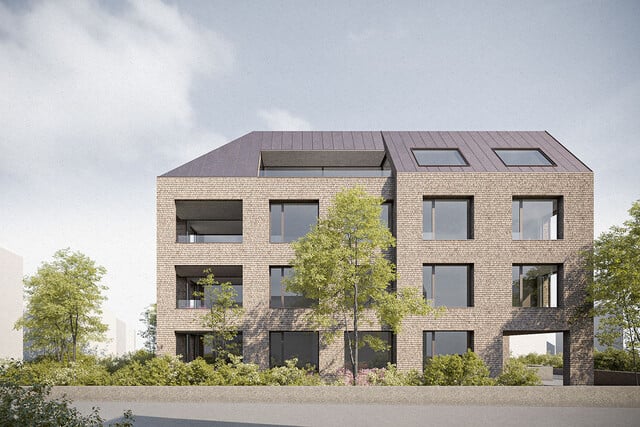
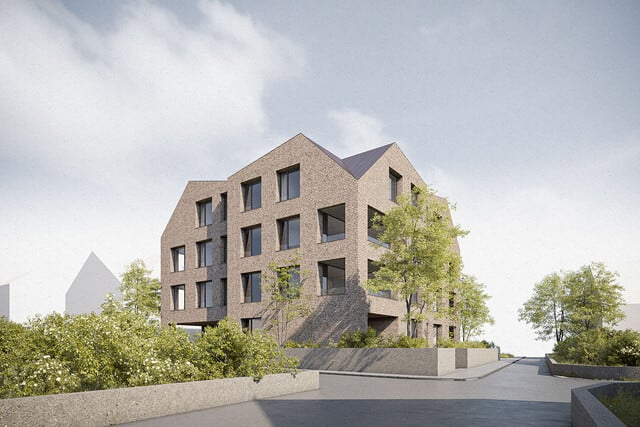
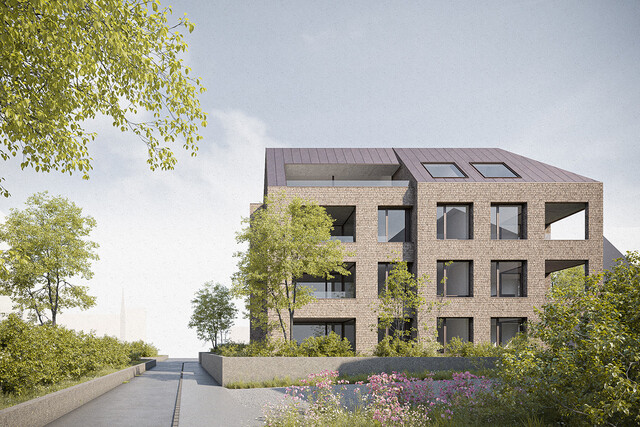
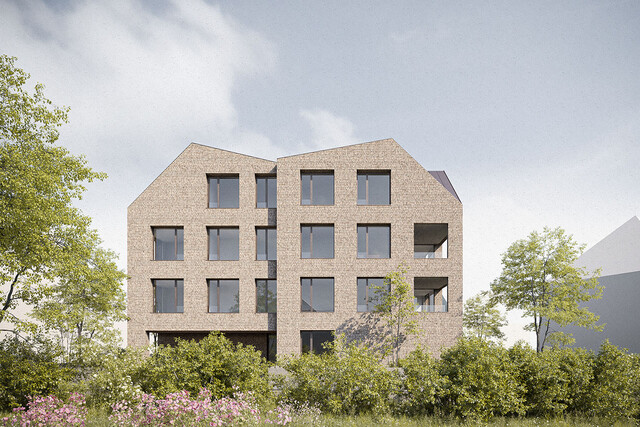
Living in Austria: What Can Be Missing to Keep It Affordable?
The majority of Austrians would be willing to give up certain amenities if it would reduce housing costs. This is shown by a recent Integral survey commissioned by IMMOBILIEN-RENDITE AG. However, the population draws clear lines when it comes to security, location, and comfort.
Location, Peace, Security – These Are Indispensable
A good residential location remains non-negotiable for 53 percent of respondents. Even more important is peace: almost two-thirds would reject an apartment on a busy street or next to railway tracks. Proximity to work, local amenities, medical infrastructure, and public transport is also reluctantly sacrificed. Men are somewhat more flexible in this regard than women.
When it comes to security, the stance is clear. Forty percent insist on strict fire protection, 41 percent on effective soundproofing—especially in Salzburg. The demands for thermal insulation are particularly high: only 6 percent would accept poorer insulation.
Comfort Is in Demand
Comfort features like elevators or parking spaces are still in high demand—albeit with differences between city and country. In Vienna, 53 percent would forego a parking space, while in the provinces only 17 percent would. Younger people are much more willing to do without an elevator if the price is right.
Also interesting is the increasing acceptance of ground floor apartments. While 43 percent nationwide could live with it, the proportion rises to 63 percent in Tyrol and Upper Austria.
Regional and Gender-Specific Differences
According to the survey, Vienna shows the least willingness to compromise—except on the issue of parking spaces. It's quite different in Tyrol and Styria: here, around a third would even accept temporary rental contracts if it would lower housing costs. In Carinthia and Vienna, the rejection of such models is particularly high.
Even when it comes to balconies, gardens, and terraces, a clear picture emerges: Men are significantly more willing to forgo private outdoor spaces than women – 38 to 22 percent.
From Wallbox to Socket: What is Considered "Dispensable"
Modern energy standards and structural extras are secondary for many. Three-quarters of respondents would forgo an electric car wallbox, and two-thirds would do without a photovoltaic system. Bicycle parking spaces are also dispensable for 58 percent. Almost 50 percent view the mandatory number of sockets critically – preferring to use a power strip instead.
Barrier-free bathrooms are also increasingly questioned: According to the survey, especially young people would forgo these if it reduces construction costs.
Administrative Procedures: Federal Differences in Patience
Another obstacle in creating affordable housing, according to many respondents, is the lengthy approval processes. Surprisingly, younger people are significantly more tolerant here. Only 20 percent would trade procedural steps for cheaper housing – among older respondents, it is 33 percent.
The greatest approval for comprehensive administrative reviews is seen in Carinthia. In Styria and Tyrol, however, over a third would be willing to forgo additional procedural steps if it enables faster housing construction.
(Red)
This article has been automatically translated, read the original article here.
Du hast einen Hinweis für uns? Oder einen Insider-Tipp, was bei dir in der Gegend gerade passiert? Dann melde dich bei uns, damit wir darüber berichten können.
Wir gehen allen Hinweisen nach, die wir erhalten. Und damit wir schon einen Vorgeschmack und einen guten Überblick bekommen, freuen wir uns über Fotos, Videos oder Texte. Einfach das Formular unten ausfüllen und schon landet dein Tipp bei uns in der Redaktion.
Alternativ kannst du uns direkt über WhatsApp kontaktieren: Zum WhatsApp Chat
Herzlichen Dank für deine Zusendung.